


Diet is the most important component of gastritis therapy.Based on some characteristics of the disease, for example, stomach acidity, as well as the presence of erosive, atrophic and other forms, the diet may vary regarding what can and cannot be included in the menu.
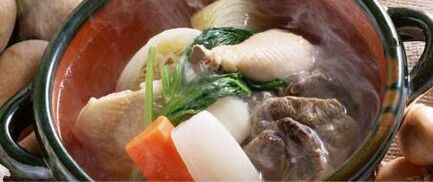
If a person follows an unbalanced diet, periodically drinks alcohol, smokes and is subject to frequent severe stress, he will inevitably develop a pathology such as gastritis.It is a disease that leads to inflammation of the gastric mucosa, compromising its integrity.As a result, various unpleasant symptoms occur, the main of which is sharp pain in the upper abdomen.Additionally, bloating, belching, nausea and vomiting appear, appetite decreases or disappears altogether, which often leads to weight loss.Gastritis of the stomach occurs in several forms, including those that can be caused by an infectious environment, but in any case, effective treatment requires a healthy diet.You should not only change your diet, decide what you can and cannot eat, but also change the principles of nutrition itself, make it regimented with a stable menu for the whole week, dividing the entire amount of food into 5-6 meals.During a flare-up, the diet should be strengthened;in addition, there are some nuances whether gastritis is characterized by high or low acidity.
What is possible and what is not allowed for gastritis?
The main differences in the diet will be determined by the level of acidity.Which indicator is determined for a particular patient during diagnosis before therapy.
Increased acidity
With increased acidity, which occurs more often, it is necessary to follow three basic principles:
- Mechanical.Defines the ban on frying;furthermore, coarse fibers, such as bran bread, rutabaga, turnips and strips of meat, are not allowed.
- Chemical.It is stated that it is necessary to avoid foods that promote the secretion of hydrochloric acid necessary for the digestion process, for example soda, alcohol and citrus fruits.Rich concentrated broths based on meat and fish are also prohibited.
- Thermal.It involves eating food that has an optimal temperature, which is usually between 16 and 55 degrees Celsius.If the food is hotter or colder, in gastritis this causes irritation of the esophagus, which leads to an increase in the duration of food absorption and, consequently, an increase in stress on the stomach.
If the environment in the stomach is characterized as acidic, then low-fat types of fish and meat, fermented milk products, eggs, which can be served as an omelette or soft-boiled, are suitable for feeding.Also, the diet may contain peeled tomatoes, boiled zucchini, potatoes and so on.
Low acidity
A gastritis diet with reduced acidity includes foods that promote greater release of enzymes that ensure digestion.To do this, it is also important to normalize the procedure for eating food.This must be done slowly;it is important to spend at least half a minute chewing a portion of food, and the eating process should last at least half an hour.Significantly improve the secretion of hydrochloric acid by drinking lightly carbonated mineral water;you should drink 200 ml of this water every time before meals.Various types of fruits and vegetables are allowed, which must be consumed immediately after finishing the meal, since snacks are not allowed in the diet.Fruit and vegetables should be chosen light, based on the principle of the absence of hard fibres.To further facilitate the digestion process, it is better to peel the fruits beforehand and eat only the pulp.
Low acidity has some advantages over high acidity.A small amount of chocolate products, light soups and broths, and river fish, mushrooms and lean meats, including rabbit and veal, are acceptable.Dairy products are allowed, but it is best to avoid the milk itself.
What is not allowed?
If you have gastritis with any acidity, you should not consume:
- Cooking;
- Chocolate products;
- Fried and spicy foods;
- Alcoholic beverages;
- Foods rich in vegetable or animal fats;
- Vinegar.
How to eat during a flare-up: menu for the week
In case of exacerbation, a compromise should be found and the body receives all the necessary nutrients and microelements, but the diet is neutral and does not irritate the mucosa, which is so inflamed.In this situation it is necessary to help digestion as much as possible so that it occurs very quickly.To do this, you should try to chop all the food as much as possible and use only boiling or steaming for cooking.
It is important to make the compiled menu not only balanced and gentle, but also strictly adhere to it, eating food every day at a strictly defined time.The intervals between doses cannot be more than three hours, otherwise the stomach will empty and the exacerbation will only intensify.It cannot be transported, as it is fraught with gastric stagnation.In the evening you should eat within three to four hours before going to sleep.
Oddly enough, during the period of exacerbation, it is recommended to spend the first day on an empty stomach.However, the stomach still needs to be filled.To do this, you need to drink a lot of plain water and poorly brewed tea.Any liquid you drink should be warm.Starting from the second day, liquid porridges and mashed potatoes with water are allowed.Also, boiled eggs and non-concentrated soup with grated vegetables will be useful.When gastritis worsens, foods rich in fats should be completely excluded from the diet, since their breakdown is very slow.
Menu of the week
Mon and Wed:
- Breakfast of oatmeal and compote;
- The second time you can have steamed cheesecake for breakfast;
- Lunch consists of mashed potatoes, vegetable soup with breadcrumbs, boiled fish, compote;
- Afternoon snack – biscuits with light tea;
- Dinner: side dish of pasta with steamed lean meat cutlets, light tea.
Tue, Thu, Sat:
- Breakfast consists of cooked apples, cheesecake and compote;
- The second time you should have breakfast with a glass of jelly;
- It is necessary to have lunch with vegetable broth, steamed fish, mineral water from gases;
- An afternoon snack of light unsweetened tea with white bread crackers is allowed;
- For dinner, casserole with cottage cheese and compote.
Fri, Sunday:
- You should have breakfast with eggs boiled for 5-6 minutes, watered with compote;
- During second breakfast, eat cheesecake with tea;
- Lunch of vegetable stew, grated potato soup, jelly;
- Afternoon snack – a glass of kefir with crackers;
- Dinner should be boiled fish with porridge in water.
Diet no.1 for gastritis
Diet no.1 is considered quite severe.However, its use is a necessary measure, since the restoration of normal digestion and non-irritation of the gastric mucosa is very important in case of gastritis or if a person has an ulcer.This diet is prescribed at the end of the exacerbation phase of the disease.Among the cooking methods, only boiling, steaming and baking can be used.It is extremely important to reduce the amount of salt consumed, since its presence negatively affects the condition of the internal surface of the stomach;Furthermore, salt slows down the elimination of water from the body.
Diet no.1 involves dividing your entire daily diet into five or six small portions.The total amount of calories consumed cannot exceed 2000.
Among the main dishes that should be included in the diet No.1 there are:
- Vegetable soup.The vegetable base can be replaced with vermicelli or rice;
- Lean meat and fish without veins and other difficult to digest elements;
- Bread products should be eaten yesterday, dried and also in the form of crackers.
In moderation, you can eat fermented milk products, for example, cottage cheese, yogurt, skimmed milk.
It cannot be consumed with diet #1:
- Rye bread;
- Mushroom and meat soups: you will have to give up okroshka, borscht, cabbage soup;
- Smoked products;
- Pickles;
- Fish and other canned foods.
Diet for the erosive form
Gastritis is called erosive when the action of the disease causes gastric erosion, called ulcer.An ulcer is a more serious disease that can lead to very serious consequences, including, for example, peritonitis, when erosion of the wall gradually leads to a through hole, resulting in the ingress of stomach contents into the abdominal cavity.This situation is fraught with death without urgent surgical treatment.
The causes of erosion, along with the effect of Helicobacter Pylori infection, are exposure to excessively acidic substances or gastric juice.Therefore, in case of erosive gastritis, it is very important to eat properly to slow down and reverse the process of ulcer formation.
Here are the principles on which the diet should be based if the patient has erosive gastritis:
- The foods consumed should minimally irritate the gastric wall and prevent an increase in acidity;
- You need to eat liquid, warm, pureed food on an ongoing basis.At the same time, it is necessary to minimize the amount of fat and salt in the diet;
- Refusal of bad habits, spices, soda;
- Vegetables should be cooked using heat treatment;
- The emphasis in food should be placed on soups and cereals.
Diet and menu if the patient has atrophic gastritis
The atrophic form is relatively difficult to diagnose, since in the initial phase of the pathology there are no symptoms.Among the few signs of the disease can be noted the presence of belching after fried and fatty foods, which have a very unpleasant odor.In addition, the inevitable companions of atrophic gastritis are a state of general weakness, brittle legs and hair, and skin problems.
Atrophic gastritis imposes serious restrictions on the list of what is possible and what is not.In your diet you should avoid:
- Black baked goods, baked goods;
- Smoked dishes;
- Mushrooms in any form;
- Peas, beans;
- Canned food;
- Raw fruit and vegetables;
- Soda, including mineral water;
- Milk.
Like other diets for gastritis, cooking methods such as frying and smoking are completely prohibited during the atrophic phase.To bring food to a ready-to-eat state, you can boil it, steam it, or bake it.
With atrophic gastritis, it is important to eat:
- Soups based on grated vegetables;
- Various porridges on the water;
- Boiled lean meat, chopped very finely;
- Skimmed milk derivatives;
- Hard-boiled eggs;
- Unleavened white bread, crackers;
- Heat-treated fruits and vegetables;
- Butter;
- For dessert you can indulge in jam, jelly and mousse.